



Mice & Rats

They found a way in. We’ll make sure they don’t stay.

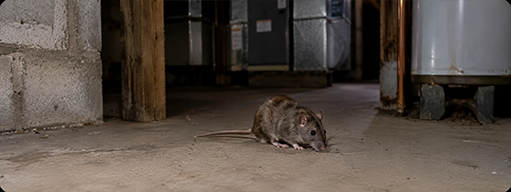
Mice and rats are among the most destructive and health-threatening pests that can invade a home. Rodents contaminate food and surfaces with urine, droppings, and fur, and they’re capable of transmitting serious diseases including Hantavirus, Leptospirosis, and Salmonellosis. Beyond health risks, rodents chew through electrical wiring, insulation, and structural materials — creating fire hazards and costly property damage every day they remain inside.

Select Exterminating takes rodent control seriously. Our technicians don’t just set traps — they find every point of entry, seal your home against re-invasion, and deploy a comprehensive elimination program tailored to your property. We treat the problem where it starts: outside and at the foundation, before rodents ever make it to your living spaces.

Understanding mice and rat infestations

Rodents are nocturnal and cautious — but no matter how well they hide, they always leave evidence behind. Recognizing the signs early is the key to stopping an infestation before it grows. Here’s what to look for:

Droppings, gnaw marks, and grease trails

Rodent droppings are small, dark, and pellet-shaped, found most often near food sources, along walls, and inside cabinets. Dark grease marks along baseboards indicate rodent travel paths, and gnaw marks on wood, plastic, and food packaging confirm active feeding activity.

Scratching or scurrying sounds in walls and ceilings

Rodents are most active at night. Scratching, scurrying, or gnawing sounds coming from inside walls, above ceilings, or beneath floors — especially after dark — are strong indicators of an active infestation that extends well beyond what's visible.

Our bed bug treatment process

Effective rodent control goes beyond traps — it requires finding every entry point, eliminating the population, and physically sealing your home against future invasion. Here’s our proven approach:

Detailed Inspection

Our technicians perform a thorough interior and exterior inspection, identifying active entry points, runways, nesting areas, and environmental conditions — such as food sources and harborage sites — that are supporting the rodent population.

Treatment Plan

We implement a complete rodent management program: exterior bait stations, interior snap traps in targeted locations, and full exclusion work to seal entry points with steel wool, hardware cloth, and sealants that rodents cannot chew through.

Follow-Up

We return to check traps, remove rodents, monitor bait station activity, and confirm that all entry points remain sealed. We continue service visits until activity has completely ceased and your home is secure.
4.9/5

Over 4,700 Reviews

Why choose our mouse and rat treatment

Our rodent treatment utilizes the latest advances in technology and eco-friendly methods. With years of experience and thousands of successful treatments, we deliver complete elimination every time.

Full exclusion service that physically seals entry points against re-entry

Interior and exterior rodent management for complete property control

Detailed rodent-proofing assessment with actionable recommendations

Frequently asked questions

Mice can squeeze through a gap as small as a dime — approximately 1/4 inch. Common entry points include gaps around utility pipes, cracks in the foundation, spaces under doors, gaps around windows, and openings where siding meets the foundation. Exclusion — physically sealing these points — is essential to long-term control.

Likely yes. Mice are social animals that live in groups, and they reproduce rapidly — a single female can produce up to 10 litters of 5–6 pups per year. A single mouse sighting inside your home almost always means there are more that you haven’t seen yet.

Our technicians place exterior bait stations in tamper-resistant, locked containers that prevent access by children and non-target animals. Interior snap traps are placed in locations inaccessible to children and pets, such as inside wall voids, behind appliances, and within enclosed cabinet bases.

Rodents are vectors for numerous diseases. Hantavirus is spread through contact with infected mouse droppings, urine, or nesting material. Leptospirosis is transmitted through contaminated water or soil. Rodents can also introduce fleas, ticks, and mites into your home — creating secondary pest problems on top of the rodent infestation itself.

Mice are smaller, more curious, and tend to nest inside structures close to food sources. Rats are larger, more cautious (making them harder to trap), and may nest inside or outside the structure. Rats tend to cause more severe structural damage and represent a greater public health risk. Proper species identification determines the most effective treatment strategy.

We’re here to help.

Contact Form